
A multidisciplinary group of chemists, biochemists, biotechnologists and biologist building the next generation of molecular diagnostics and therapeutics.
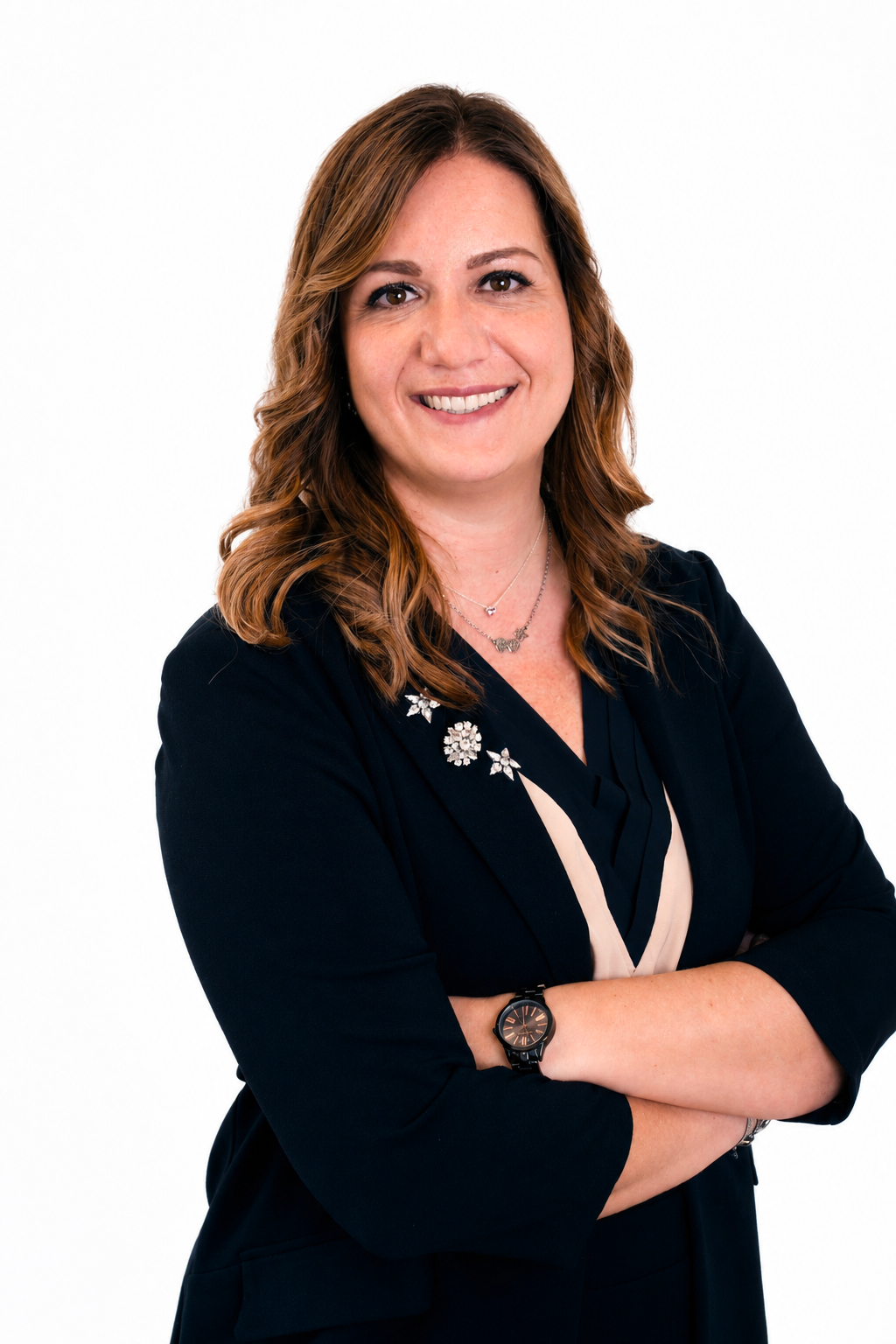
Simona Ranallo is Professor at the Department of Chemical Science and Technologies, University of Rome Tor Vergata. During her PhD she was a visiting researcher at UC Santa Barbara and the University of Montréal. Her postdoctoral career was supported by competitive fellowships — including the 2019 Umberto Veronesi Foundation Fellowship and a Marie Skłodowska-Curie Global Fellowship, during which she spent two years at UC Santa Barbara developing optical and electrochemical DNA-based sensors for diagnostics. As Assistant Professor she started a research line integrating DNA nanotechnology and synthetic biology to create diagnostic and therapeutic tools based on cell-free transcriptional networks. In 2024 she received both an ERC Starting Grant and the FIS — Fondo Italiano per la Scienza, establishing her independent research group. She is also the recipient of several awards, including the Primo Levi Award, the Cristina Giovannoli Award and the Medaglia Ivano Bertini.
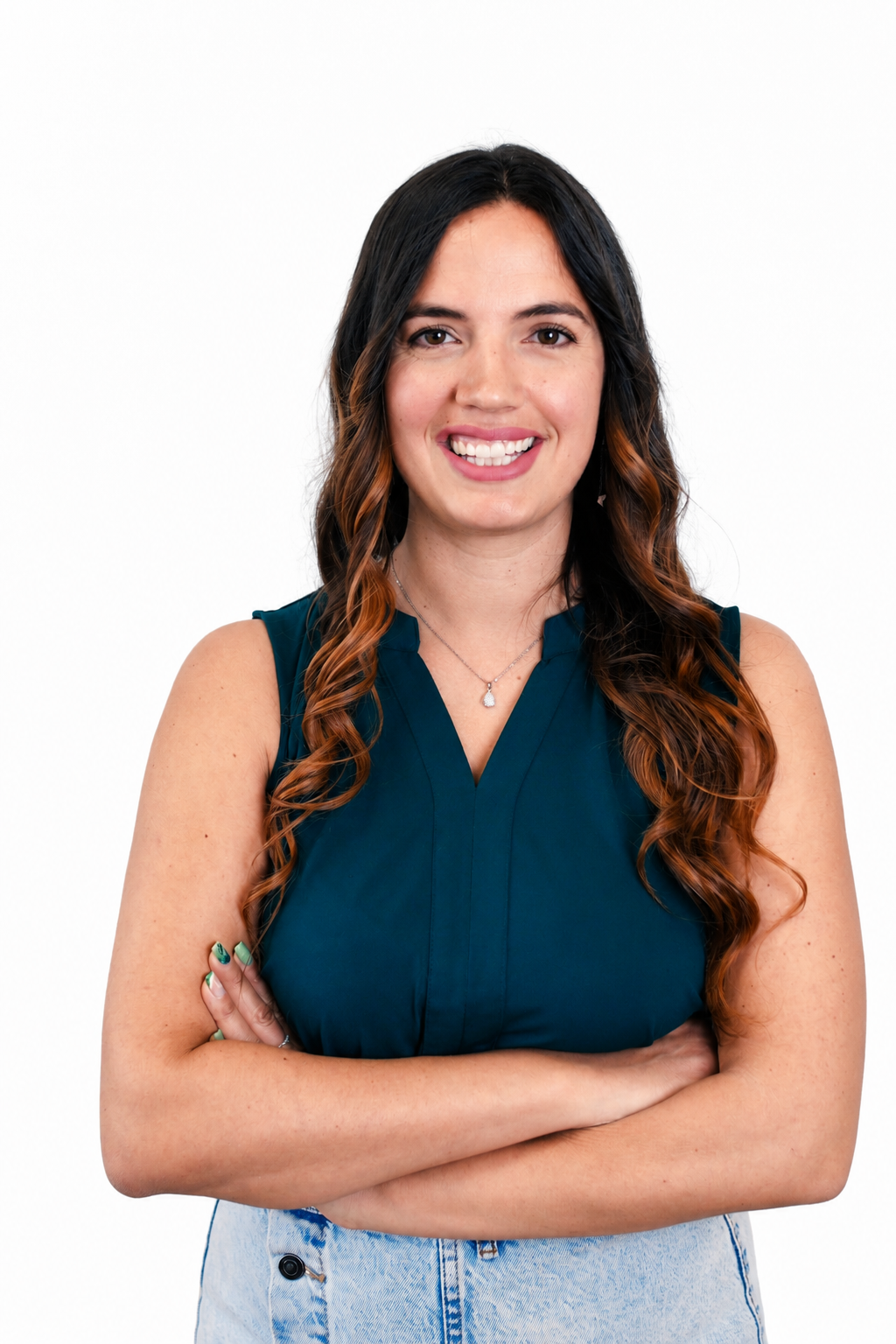
A biochemist whose background spans enzymatic kinetics and the monitoring of oxidative stress biomarkers. Her current research focuses on cell-free gene networks, exploring how to dynamically regulate enzyme-inhibitor complexes.
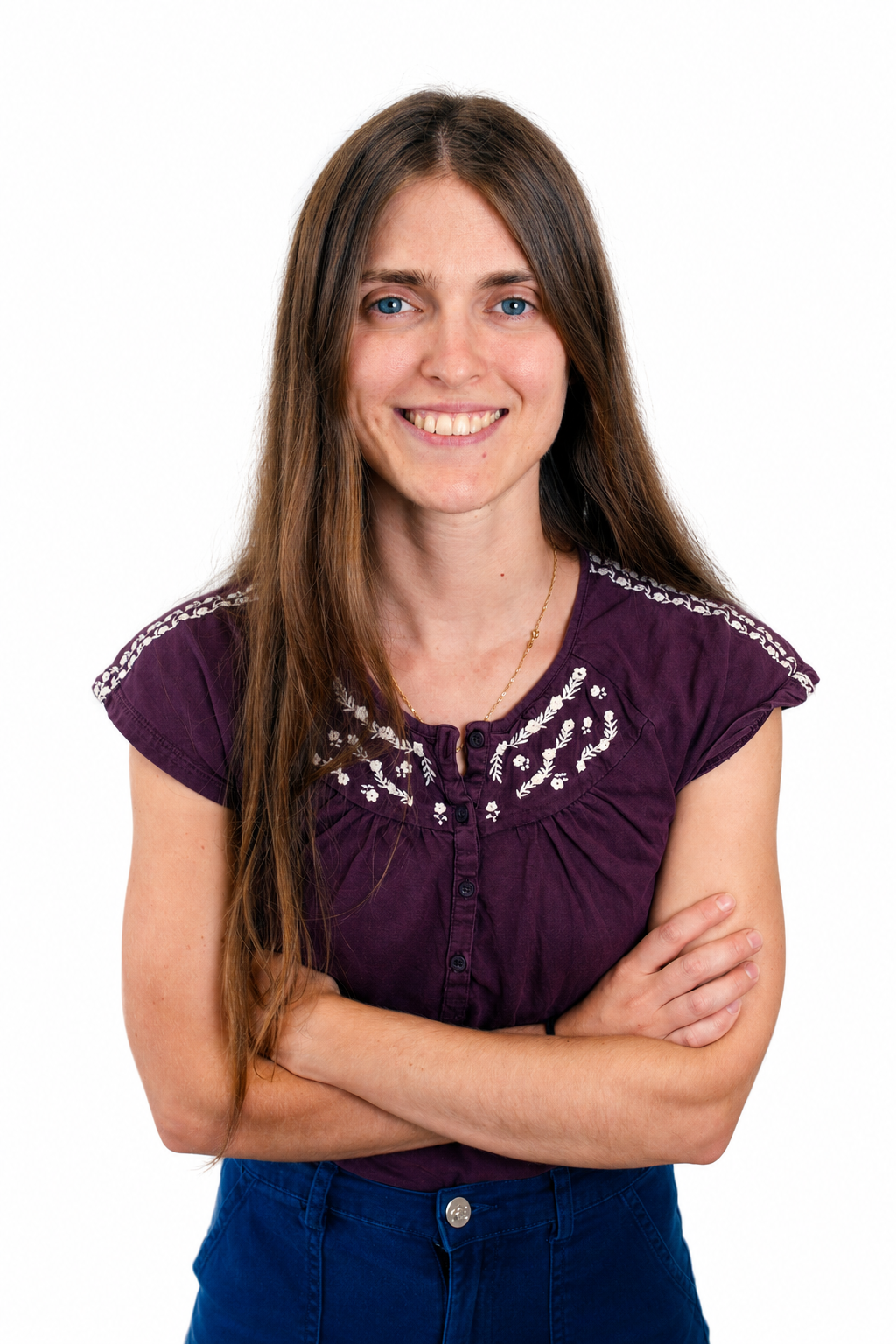
Cecilia’s PhD work is centred on developing and validating ultra-sensitive biosensors based on Single-Molecule Transistor (SiMoT) technology. She now applies that expertise to DNA-based nanodevices and gene circuits for biosensing and nanobiotechnology applications.
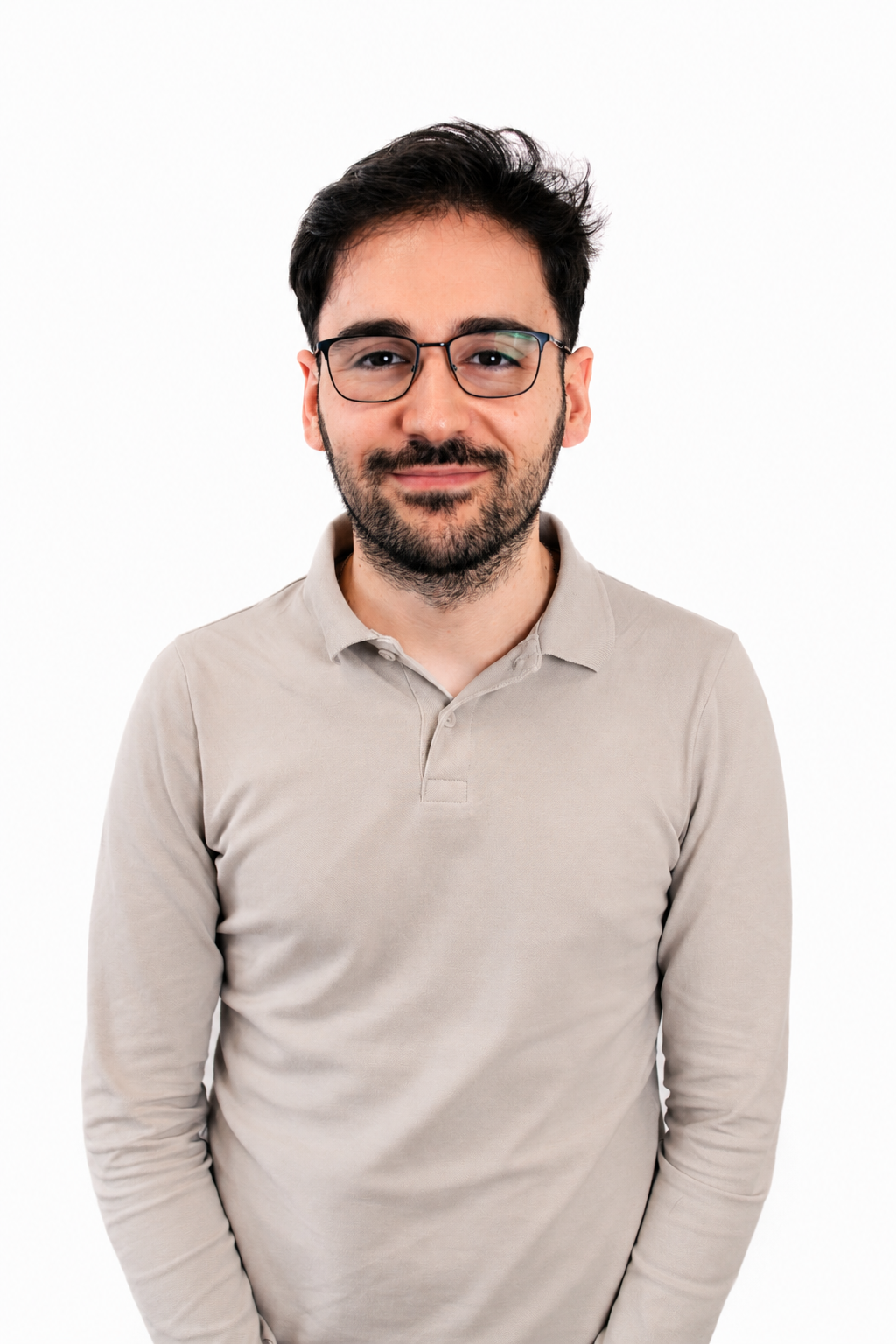
João’s research focuses on expanding cell-free synthetic biology systems for biosensing applications, developing genetic devices capable of responding to chemical and electrical stimuli. Drawing on DNA nanotechnology and electrochemistry, he works to tune the output and performance of these devices for real-world sensing challenges.

A PhD candidate with expertise in advanced optical microscopy and nanoparticle-based systems. Her research centres on programmable cell-free biosensors designed to detect disease biomarkers with quantitative, digital-like precision, bridging synthetic biology and nanotechnology for next-generation diagnostic applications.
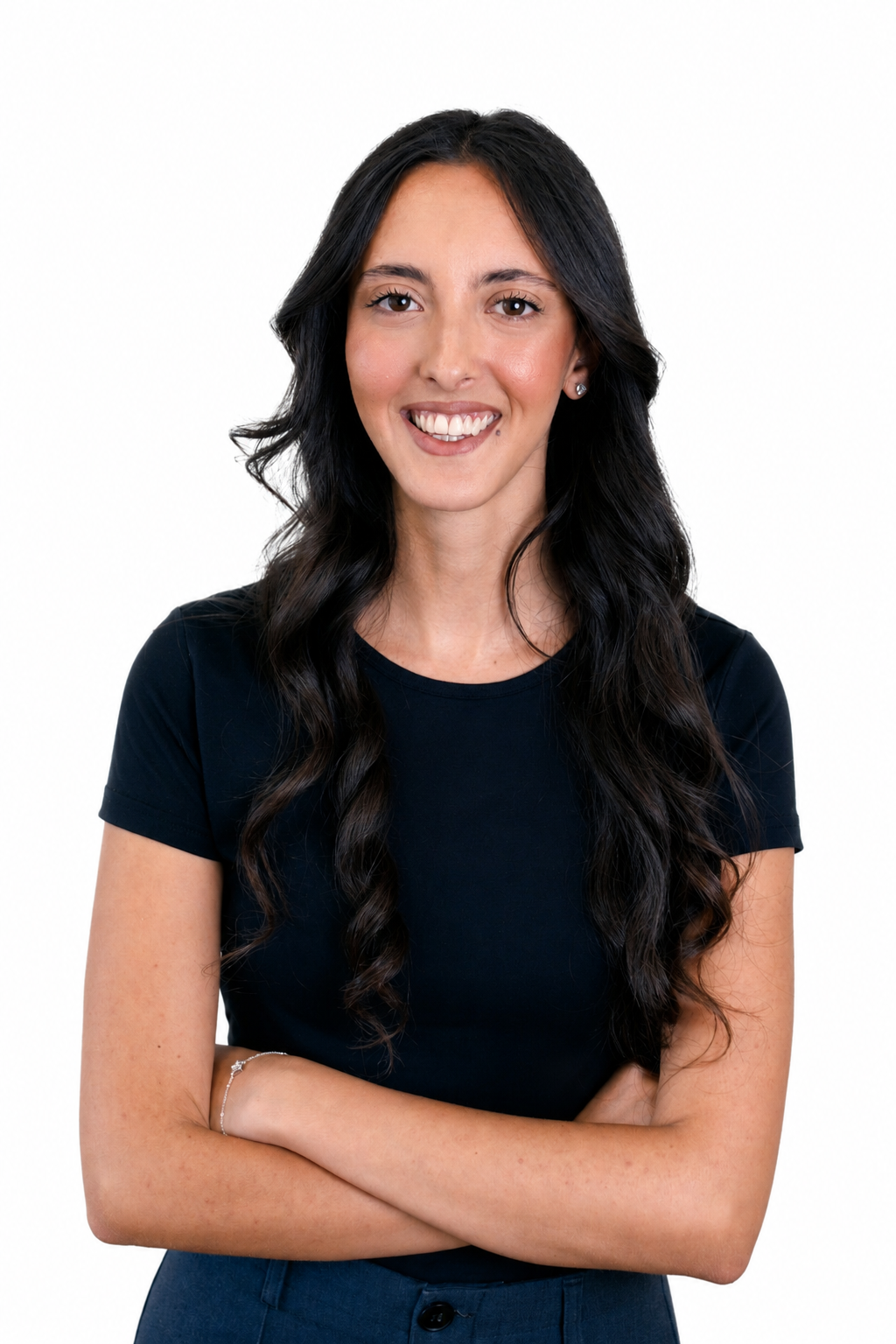
Applied Biotechnology graduate with expertise in DNA nanotechnology and cell-free transcriptional systems. Her research focuses on developing innovative tools that harness the programmability of nucleic acids and signal amplification strategies to detect disease-relevant biomarkers, bridging molecular engineering and precision diagnostics.
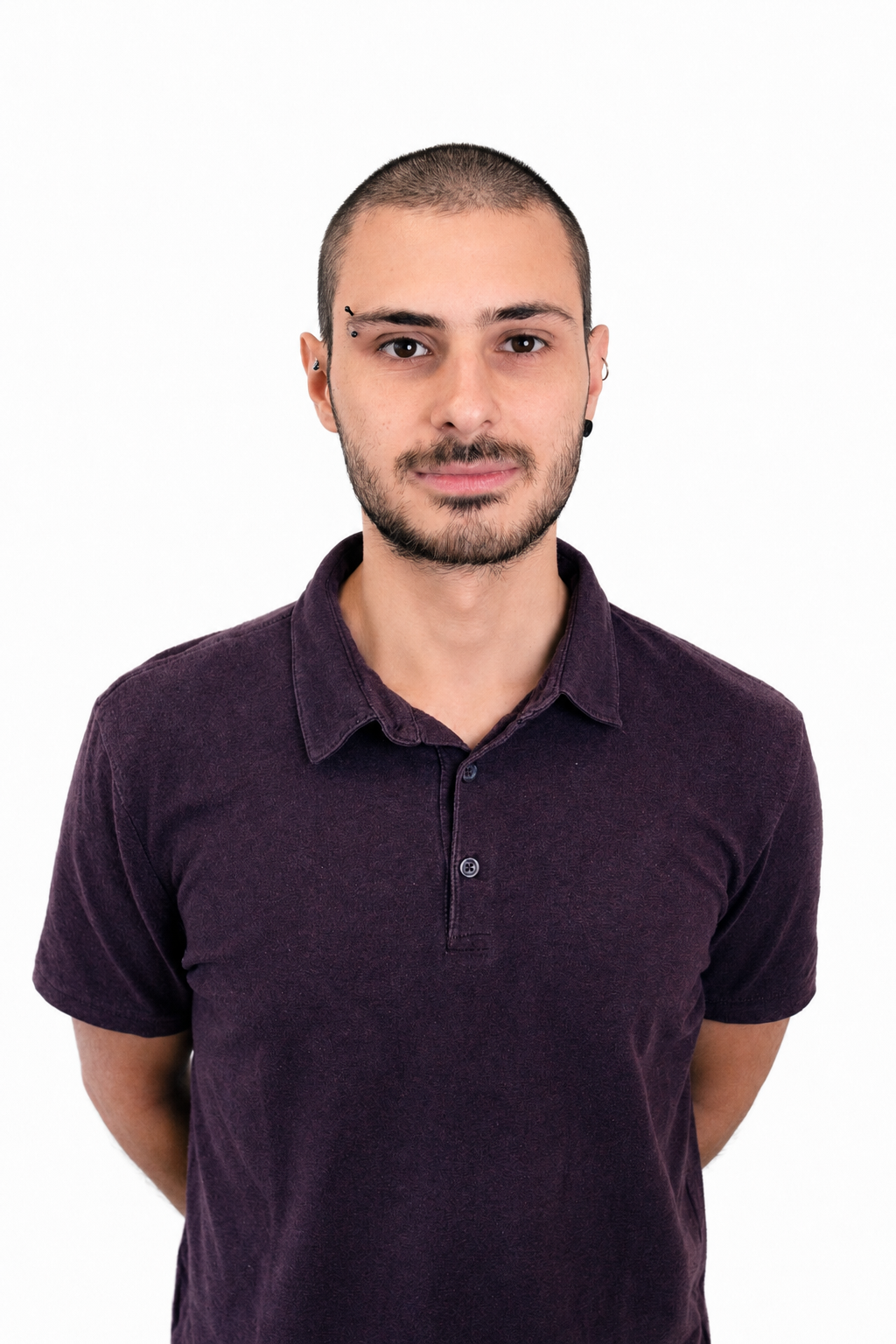
Biotechnologist by training and a PhD candidate in Chemical Sciences. His research focuses on in vitro translation-based systems and networks for virus and cancer detection.

A biologist with a background in biotechnology, DNA analysis, and forensic genetics. Her research focuses on engineering multi-input responsive DNA networks based on multigenic cell-free circuits for diagnostic and therapeutic applications.